Why Metadata Still Matters: The Silent Killer of Music Discovery
When metadata is correct, your music has the best possible chance of being discovered. When it isn’t, your music still exists, but it quietly underperforms.
4 min read
Metadata is one of the least exciting parts of releasing music, and one of the most damaging when it’s done wrong. For independent artists, poor metadata is often the invisible reason why tracks don’t show up properly on streaming platforms, royalties go missing, and algorithmic growth stalls before it even begins. In 2026, metadata is not admin; it is infrastructure.
At its core, metadata is the information attached to your music. It tells platforms who you are, what the song is, who worked on it, and where money should flow. When metadata is correct, your music has the best possible chance of being discovered, credited properly, and paid correctly. When it isn’t, your music still exists, but it quietly underperforms.
How Streaming Platforms Actually Use Metadata
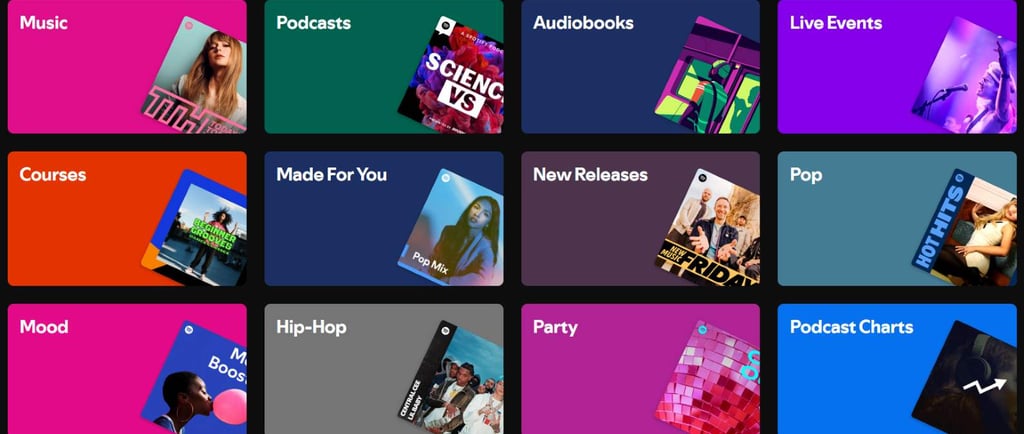
Streaming platforms do not “listen” to music the way humans do. They rely heavily on metadata to categorise tracks, recommend songs to listeners, and connect releases to the correct artist profiles. Every playlist placement, algorithmic recommendation, and radio-style feature begins with accurate data.
If your artist name is inconsistent across releases, or a track is tagged incorrectly, platforms struggle to understand where your music belongs. This can prevent your song from being grouped with your previous releases, appearing in Release Radar, or being pushed through algorithmic playlists like Discover Weekly.
In practical terms, this means two artists releasing equally strong tracks can see wildly different results purely because one has cleaner metadata.
The Artist Name Problem That Catches Everyone Out
One of the most common metadata mistakes is inconsistency in artist naming. Small differences, such as punctuation, spacing, or additional words, can cause platforms to treat releases as coming from different artists entirely.
This often happens when artists switch distributors, collaborate with others, or rush releases. Once these errors are live, fixing them can take weeks, and sometimes months, during which momentum is lost. For new and emerging artists, this can be particularly damaging, as early data signals play a big role in how platforms assess future releases.
Songwriting Credits and Why They Matter More Than You Think
Metadata is not just about discovery; it is about ownership. Songwriter credits determine who gets paid publishing royalties, who appears in performance databases, and who is legally recognised as part of the song.
If a co-writer, producer, or contributor is missing from the metadata, they may not receive their share of royalties. This can lead to disputes later, delayed payments, or even takedowns if ownership is challenged. From a professional standpoint, incorrect credits also harm your reputation within the industry.
In 2026, transparency and accuracy are increasingly expected, especially as catalogue tracking and rights management become more automated.
Genres, Moods and the Algorithm’s First Impression
Genre tagging might feel subjective, but it plays a crucial role in how your music is surfaced. Streaming platforms use genre and mood data to test your track with small listener groups. If the metadata doesn’t match how the music actually sounds, those early tests can fail. For example, tagging a melodic rap track as pop or a lo-fi instrumental as electronic dance music confuses the algorithm. Your song may be served to the wrong audience, receive poor engagement, and be quietly deprioritised.
Metadata is often the first impression your song makes, and first impressions still matter.
The Royalty Black Hole No One Warns You About
Incorrect metadata is one of the biggest reasons royalties go uncollected. If songwriter details, ISRCs, or publisher information are missing or incorrect, royalties can end up unmatched and held indefinitely.
This is especially common with international streams, radio play, and sync usage. Money does not disappear, but it can sit unclaimed until the data is corrected. For independent artists, this can mean months or even years of lost income.
Registering your works properly with PRS for Music, PPL, and your distributor only works if the metadata matches across every system.
Metadata & Collaborations
Collaborations are great for growth, but they add complexity to metadata. Featuring artists, joint releases, and split ownership must be entered accurately from the start. A single error can prevent a release from appearing on a collaborator’s profile or misallocate royalties.
In collaborative projects, agreeing on metadata before release is just as important as agreeing on splits. This step is often rushed or skipped, and it shows in the long-term performance of the release.
Why Metadata Is Becoming More Important, Not Less
As streaming platforms rely more heavily on automation, metadata is becoming more influential, not less. Editorial teams still exist, but algorithmic systems increasingly determine which tracks gain momentum.
Artificial intelligence tools used by platforms depend on clean, consistent data. Artists with organised catalogues and accurate metadata are easier for these systems to understand and promote. Those without it are effectively invisible to large parts of the ecosystem.
In short, metadata does not make music better, but it makes good music easier to find.
The Quiet Difference Between Hobby and Career
Professional artists treat metadata as part of the creative process, not an afterthought. It is one of the clearest dividing lines between hobbyist releases and career-focused releases.
Taking the extra time to check credits, naming conventions, genre tags, and registrations rarely feels urgent, but it pays dividends over time. Metadata does not create overnight success, but it quietly supports every other part of your strategy.
Your Music Deserves to Be Found
Metadata will never be glamorous, but it is foundational. If you want your music to travel further, earn correctly, and grow consistently, the details matter. In an industry where attention is scarce and competition is fierce, the artists who respect the infrastructure behind their music give themselves a genuine advantage.
Your songs can only succeed if the systems around them understand what they are, who made them, and where they belong. Get that right, and you stop fighting invisible obstacles before you even press play.
Sitemap
Gateway House,
4 Penman Way,
Enderby,
Leicester
© 2026 Music Mogul Marketing | All rights reserved.
Contact Details