
How to Maximise Your Spotify Streams Legally & Organically
Short-term hacks might deliver a spike in numbers, but organic strategies build a foundation that lasts. While shortcuts tempt some, these tactics often backfire.
3 min read
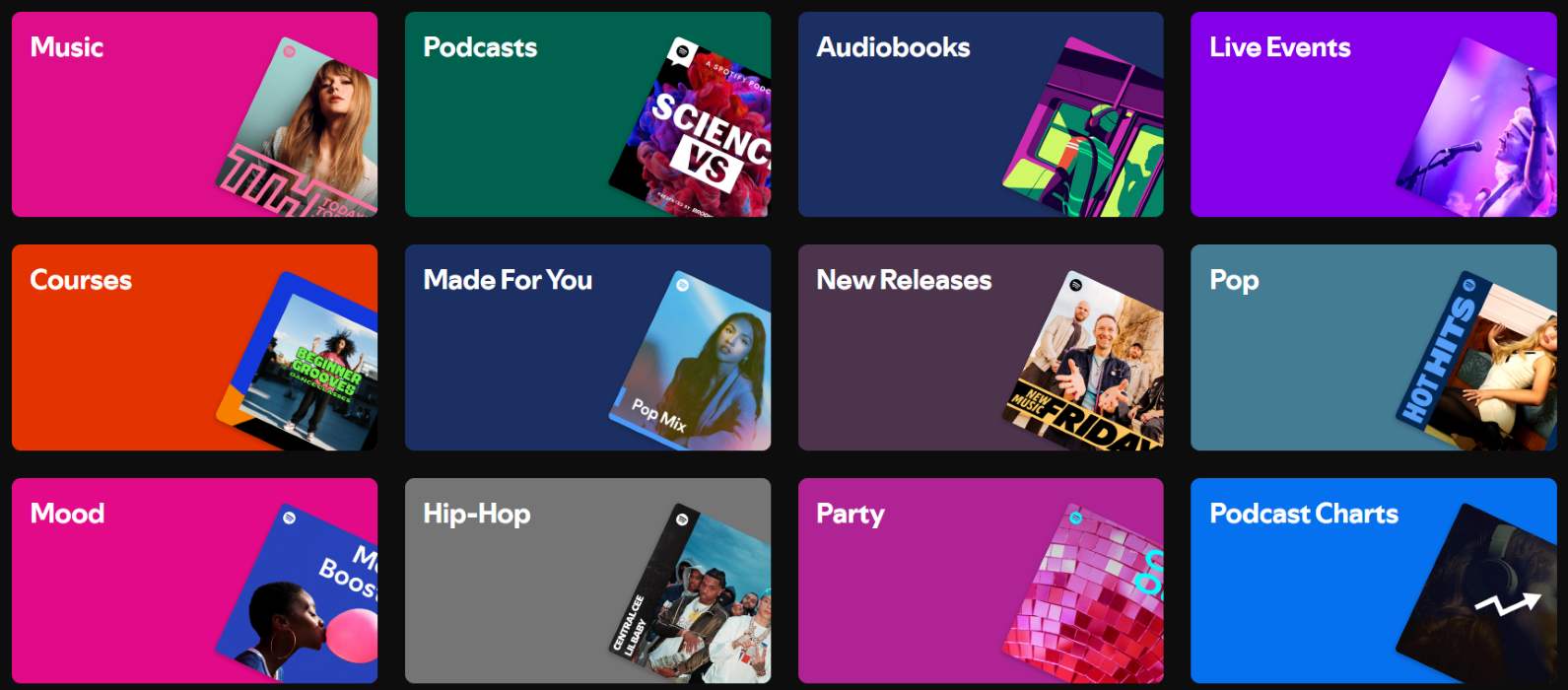
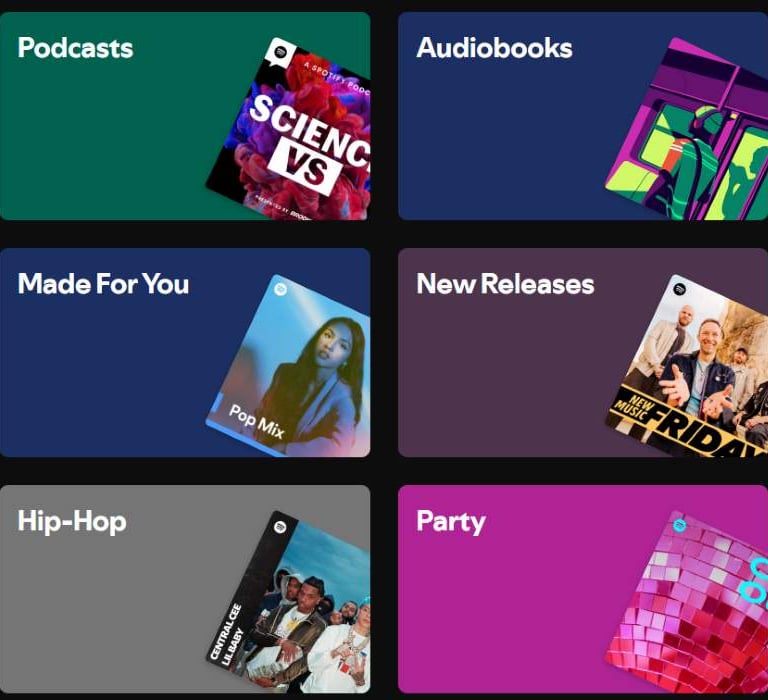
For independent artists, Spotify has become one of the most powerful platforms for reaching new audiences. With millions of songs uploaded every year, standing out can feel like an uphill battle. While some are tempted by shortcuts such as paying for streams, these tactics often backfire and can even result in penalties or bans. The good news is that there are tried and tested strategies for growing your streams in a way that is both legal and sustainable.
Why Organic Growth Matters
Spotify’s algorithms are designed to identify genuine listener behaviour. Artificial streams generated through bots or click farms not only fail to build a real fanbase but also risk getting your music removed from the platform. By focusing on organic growth, you’re ensuring that your streams come from real listeners who can convert into loyal fans, the kind of audience that will return for your next release.
Optimising Your Artist Profile
First impressions matter. Before pushing for streams, make sure your Spotify for Artists profile is polished. This means using high-quality images, writing a compelling bio, and linking to your social channels. Playlists such as Release Radar and Discover Weekly rely heavily on metadata, so ensure your track titles, genres, and descriptions are accurate. A professional-looking profile signals to both listeners and curators that you’re serious about your craft.
The Power of Playlisting
Playlists remain one of the most effective ways to generate streams. While editorial playlists like Rap Caviar or New Music Friday are highly competitive, independent artists can still gain traction through user-generated and algorithmic playlists. Submitting your tracks to independent curators, networking with playlist owners, and consistently pitching your releases to Spotify for Artists can help you find a place on lists that align with your genre.
Even smaller playlists with a few thousand followers can make a big impact if the audience is highly engaged. For example, an indie-folk track placed on a niche acoustic playlist might generate fewer streams than being added to a massive general pop list, but the listeners are more likely to become long-term fans.
Driving Traffic from Outside Spotify
One of the most overlooked ways to increase streams is by pushing listeners to Spotify from outside the platform. Social media is a powerful tool here. Platforms like Instagram Reels, TikTok, and YouTube Shorts allow you to showcase your music to new audiences and then direct them back to your Spotify profile. Collaborations with influencers, well-timed teasers, and behind-the-scenes content all help convert curiosity into streams.
Musicians such as JVKE and Tate McRae initially gained traction on TikTok by sharing snippets of their tracks, which then translated into millions of Spotify streams once the full songs dropped. By creating content designed to travel across platforms, you can funnel listeners straight to your Spotify catalogue.
Release Strategy and Consistency
Spotify rewards consistency. Releasing music regularly increases your chances of appearing in algorithmic playlists like Release Radar and keeps your profile active in the eyes of both fans and the algorithm. Rather than waiting a year to drop a full album, consider releasing singles every six to eight weeks. This not only builds momentum but also gives you more opportunities to pitch your music to Spotify curators.
Timing also matters. Research shows that Friday releases perform particularly well, as this is when editorial playlists update and listeners are actively looking for new music. Pairing your release with a marketing push across social media ensures maximum visibility.
Beyond the Numbers: Building Lasting Engagement
Maximising your streams is not just about numbers; it’s about building an engaged audience who will return again and again. When fans save your music, add it to their personal playlists, and share it with friends, Spotify’s algorithm takes notice. This kind of authentic interaction fuels further growth far more effectively than artificial tactics ever could.
Streams That Stand the Test of Time
Short-term hacks might deliver a spike in numbers, but organic strategies build a foundation that lasts. By optimising your artist profile, leveraging playlists, driving traffic from outside platforms, and releasing consistently, you can grow your streams in a way that is both safe and sustainable. In the end, the artists who succeed on Spotify are not those chasing quick fixes but those who nurture genuine connections with their listeners.
Sitemap
Gateway House,
4 Penman Way,
Enderby,
Leicester
© 2026 Music Mogul Marketing | All rights reserved.
Contact Details